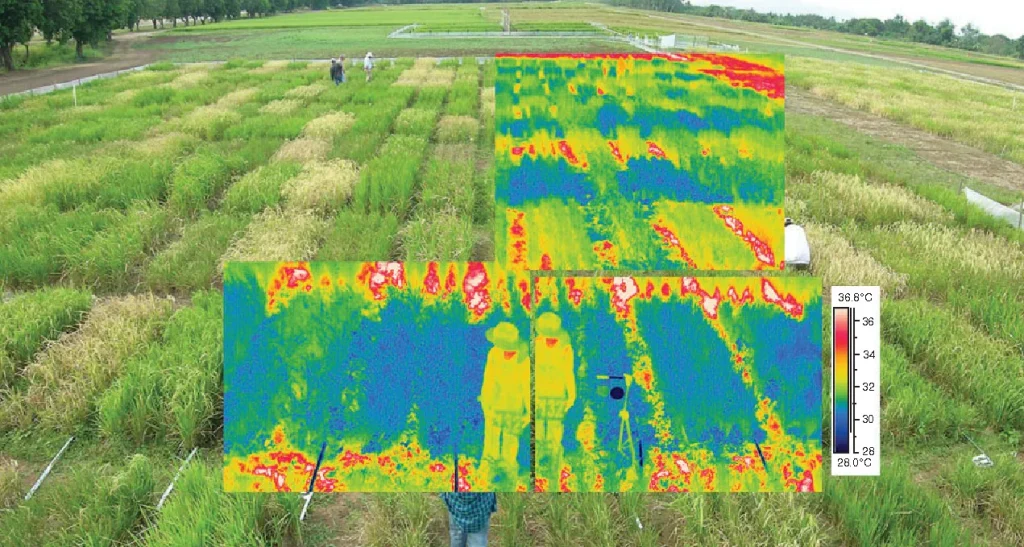
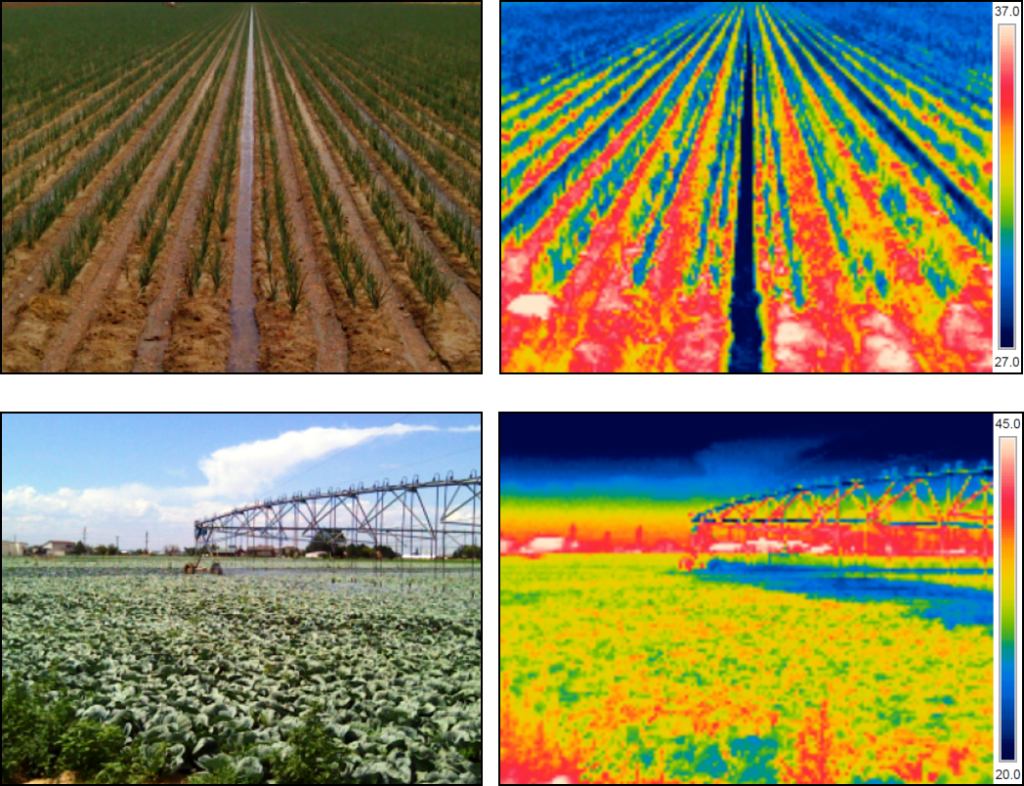
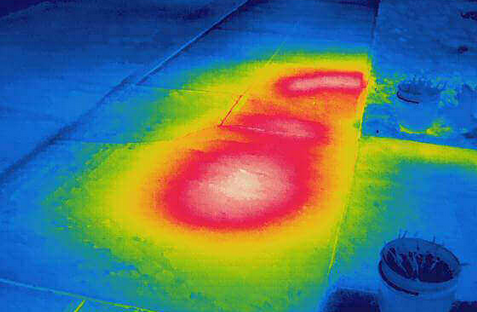
Thermal drones equipped with infrared (IR) cameras are affective in transforming agriculture by detecting water leaks, assessing waterlogging, and optimizing irrigation patterns. These drones help farmers, agronomists, and land managers make data-driven decisions to improve crop yields and soil health. While primarily used in agriculture, thermal drones also benefit infrastructure, municipal water management, and environmental conservation.
Detecting Water Leaks in Farmland
How It Works
Thermal drones identify temperature differences caused by leaks in irrigation systems, reservoirs, and underground water sources.
Water retains heat differently than dry soil, making leaks visible in thermal imagery.
Applications in Agriculture
Irrigation System Monitoring: Detect leaks in underground and surface irrigation pipelines.
Reservoir & Pond Management: Identify seepage issues that lead to water loss.
Greenhouse Operations: Ensure optimal water distribution and prevent structural damage from leaks.
Benefits
✅ Prevents water wastage & improves efficiency ✅ Reduces maintenance costs & enhances system longevity ✅ Ensures reliable water supply for crops
Identifying Waterlogging in Fields
How It Works
Waterlogged soil has distinct thermal properties, appearing warmer at night or cooler during the day.
Drones quickly scan large agricultural areas to detect excessive moisture and drainage issues.
Applications in Agriculture
Crop Health Monitoring: Detect waterlogged zones that contribute to root rot and fungal diseases.
Land Drainage Assessment: Identify poor drainage areas to improve soil aeration.
Precision Farming: Adjust irrigation strategies based on soil moisture patterns.
Benefits
✅ Prevents crop damage from excess moisture ✅ Improves soil health & nutrient absorption ✅ Reduces the risk of yield loss due to flooding
Optimizing Irrigation Efficiency
How It Works
Thermal imaging highlights variations in soil and plant temperature, indicating uneven irrigation.
Detects overwatered or under-watered areas to optimize water usage.
Applications in Agriculture
Smart Irrigation Management: Adjust water distribution based on real-time thermal data.
Drought Stress Detection: Identify areas where crops are experiencing water stress.
Efficient Water Use: Ensure water reaches the right areas, reducing waste.
Thermal drones detect temperature anomalies that indicate underground moisture accumulation.
Helps locate underground leaks, groundwater presence, and soil inconsistencies.
Applications in Agriculture
Subsurface Leak Detection: Find leaks in buried irrigation pipelines before excavation is needed.
Groundwater Mapping: Identify potential underground water sources for well placement.
Soil Quality Assessment: Detect soil areas prone to excess moisture or compaction.
Benefits
✅ Reduces the cost of excavation & repairs ✅ Improves water resource management ✅ Enhances understanding of soil conditions for better planting decisions